

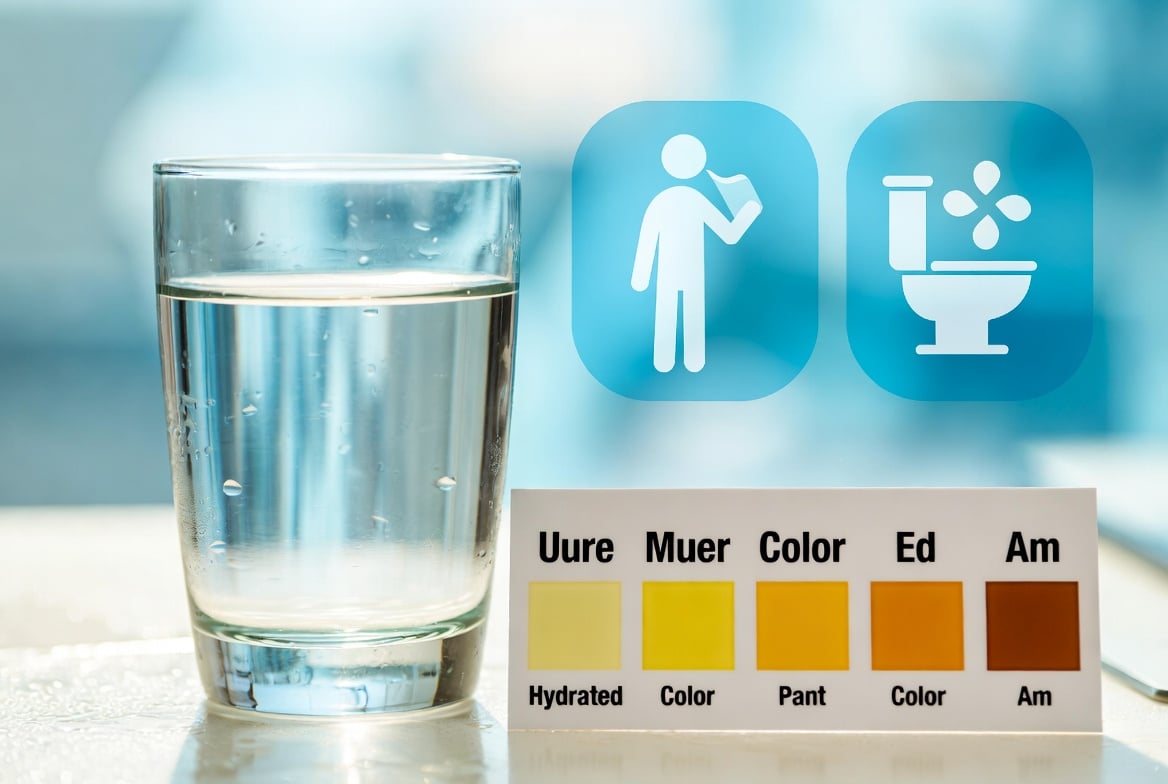
We’ve all been there — you glance down and notice your urine looks more like apple juice than the usual pale lemonade color. That darker shade is often one of the easiest ways your body signals it needs more water.Why Urine Color MattersWhen you’re well hydrated, your urine is usually light yellow or almost clear. But if it turns a deep, dark yellow (think honey or amber), your kidneys are working harder to conserve fluid by concentrating waste products. It’s a classic early sign of mild dehydration for most people.Of course, it’s not foolproof. Certain foods, supplements (especially B vitamins), and medications can also darken your urine. Still, if you’ve noticed the color shift and you haven’t been drinking much lately, it’s a good cue to reach for a glass of water.Times When You Need Way More FluidsYour hydration needs change depending on what’s going on in your life. You’ll want to drink extra water if:
- You’re exercising or doing any kind of physical activity (sweat adds up fast)
- You’re sick with diarrhea, vomiting, or a fever
- You’re spending long hours in hot or humid weather
- You’re pregnant, breastfeeding, or dealing with certain medical conditions
In these situations, dark yellow urine can show up even if you think you’re drinking a “normal” amount. How Long Can You Actually Survive Without Water? It’s pretty sobering: most healthy people can only last about three to five days without any water before things get dangerous. The exact time depends on your age, overall health, activity level, and the environment. In extreme cases, some people have survived up to two weeks — but that’s rare and usually under very specific conditions. You’ve probably heard wild stories too. Followers of a Buddhist boy meditating in Nepal once claimed he went nearly two years without food or water. Doctors and scientists, however, have never been able to independently verify those claims, and most experts remain highly skeptical. Bottom Line Paying attention to your urine color is a quick, free way to check in with your hydration status. Aim for that pale yellow throughout the day, and bump up your intake when life gets more demanding — workouts, hot days, or when you’re under the weather. If your urine stays dark despite drinking more, or if you have other symptoms like dizziness, dry mouth, or fatigue, it’s worth checking in with a doctor. Dehydration can sneak up on you, but catching it early is usually pretty simple. Stay hydrated out there — your body will thank you.